
Our mission
Protect · fund · prove
Civilian air defencecommunity
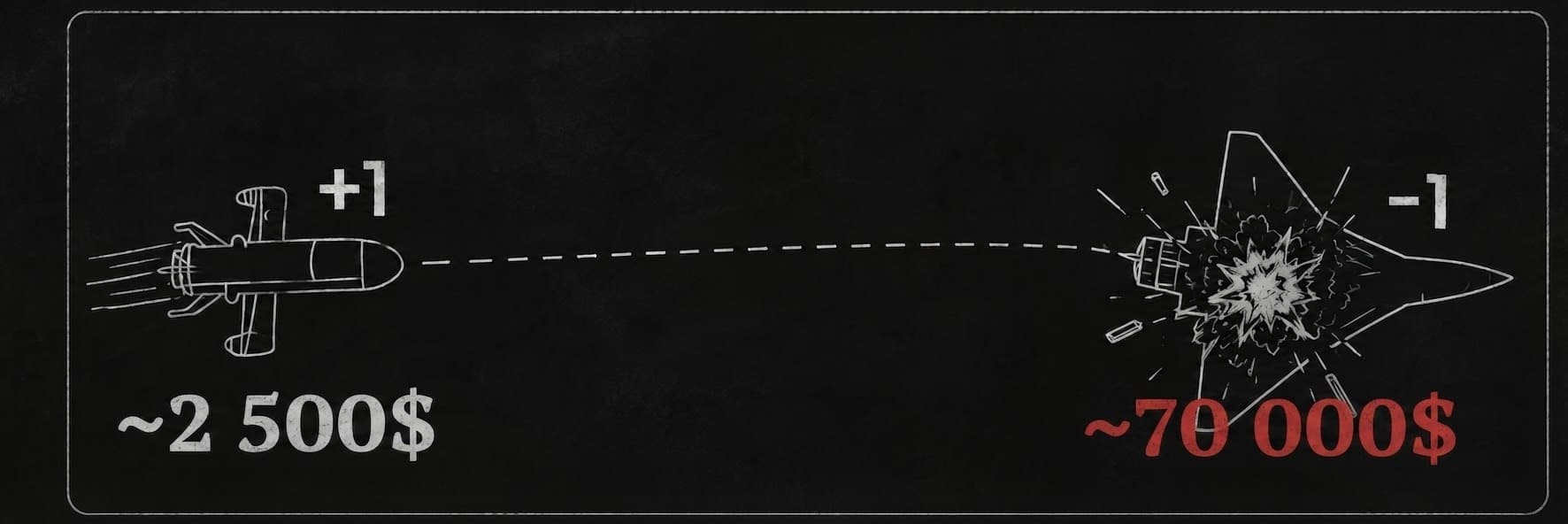
We fund FPV interceptors that stop Shahed, Molniya and other one-way attack drones before they reach the cities.
Donate, and you find out what your drone did.
How it works
Payments open soon. Choose a region now and you'll be first in line.
Find your region
Donetsk Region
Your regionChoose a region, then leave your email to hear when its pool opens.
First deployment · Donetsk region
4
interceptors funded
1
Shahed downed
2
lost in action
1
awaiting deployment
Every drone we fund gets a report. Including the ones that don't come back.
Visual materials
Interception, up close.
Explore the illustrations below at full size.
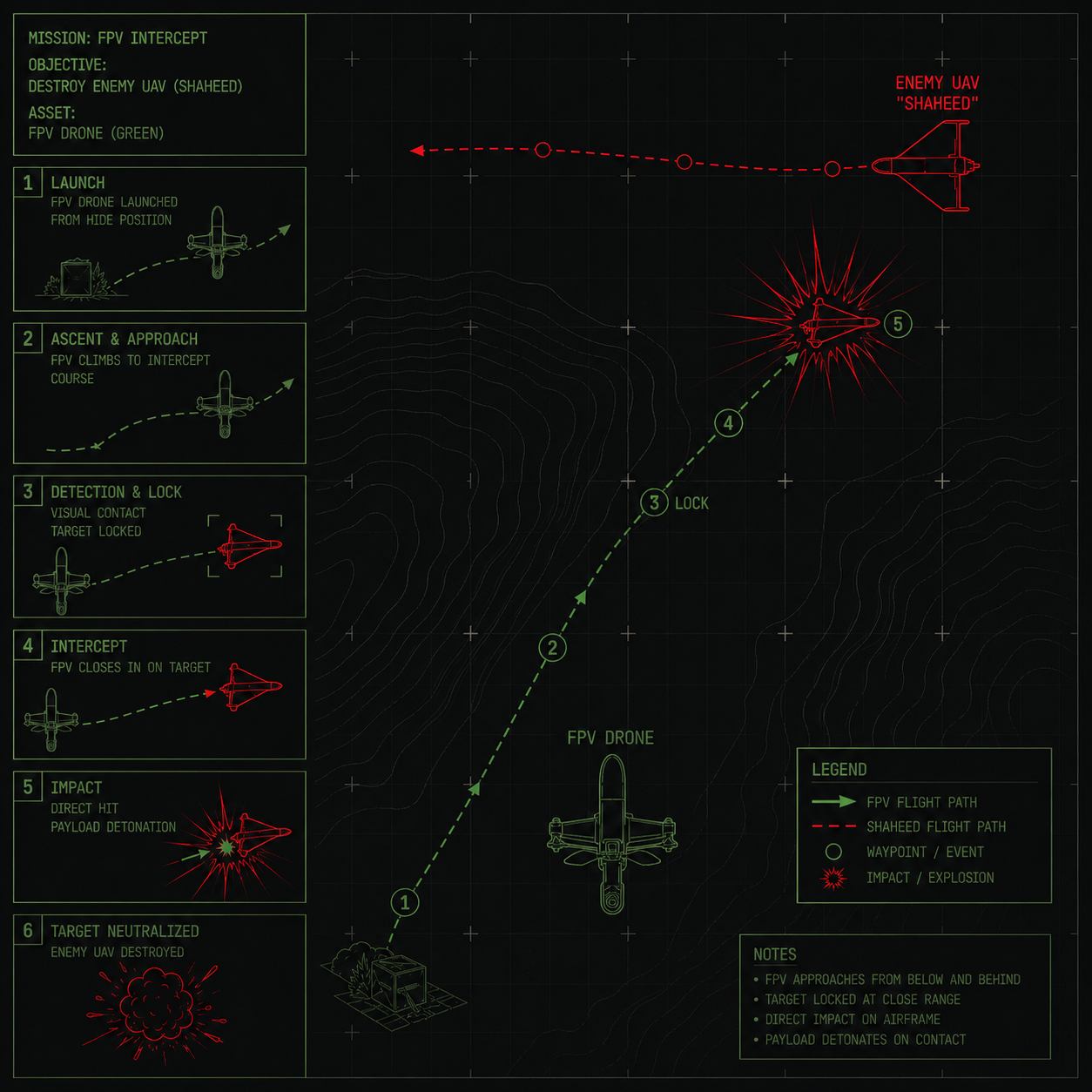
Interception illustration
Open the image to see the full-size illustration.
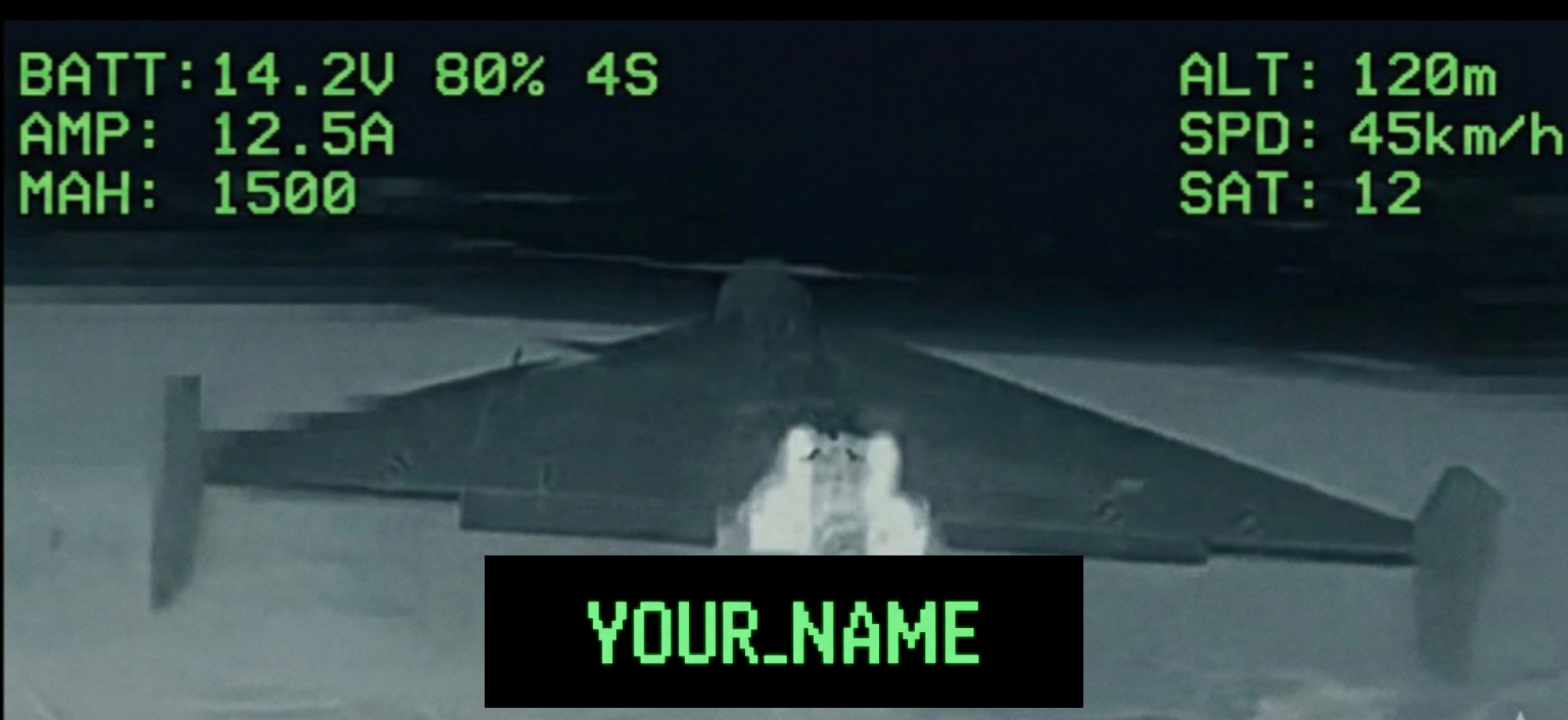
On-screen display · example
An illustration of the camera overlay with a sample nickname.
How it works
01
Choose your region
Your contribution joins the pool for that region.
02
The pool funds an interceptor
Regional pools are converted into FPV interceptors for crews working that airspace.
03
The crew flies it
Interceptors are handed to verified crews operating in your region.
04
You get the report
Downed, lost, or still flying — the result is published after the crew confirms it.
Two ways to join.
Pre-launchSolo
Join a regional pool
Contribute any amount to your region's pool. When the interceptor it funds flies, you get its report — downed, lost, or pending.
Team
Bring your people
Create a team, share one link, and fund an interceptor together. The first 50 teams to fully fund one receive a physical GUARDS award.
Payments are being connected. Both paths open at launch.
Join your regionTeam funding
The first 50 teams receive the GUARDS award.
A team is your company, group chat, friends, or city. Fully fund an interceptor together and your team can become one of the first 50 award recipients.
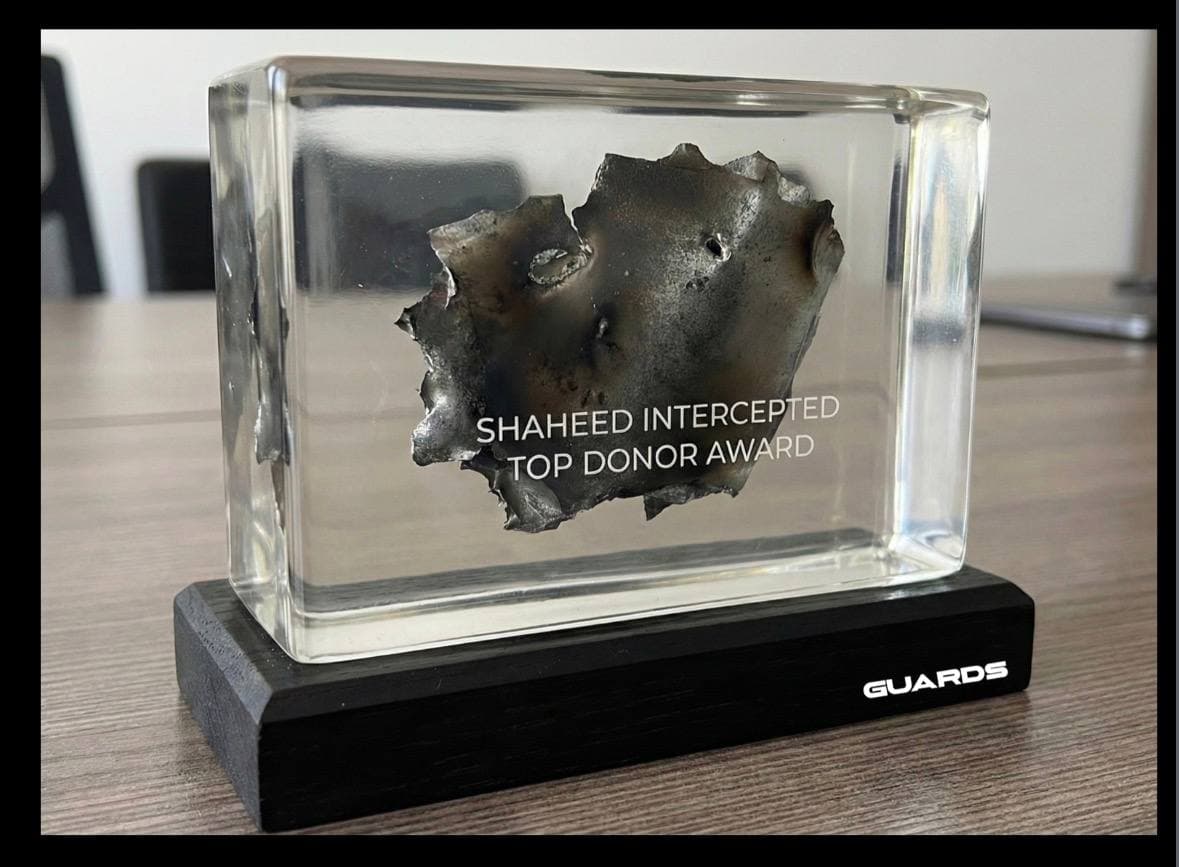
This is not a lottery. Each of the first 50 teams that fully funds an interceptor receives a statuette made with an intercepted Shahed fragment.
Reserve a team name
No payment at this step — the name is held until teams open.
Operation Logs
Verified Impact
No verified public reports yet.
The first report will appear only after review and confirmation of its event date.
Threat context
One-way attack drones.
Shahed-136 (also designated Geran-2), Molniya and Gerbera are launched in mass waves against Ukrainian cities and energy infrastructure. FPV interceptors are built to stop them before impact.
Target class
Shahed-136 (Geran-2)
Molniya
Gerbera
Stopping an attack drone before impact reduces risk to people and infrastructure. Interception is the part of that work a community can fund directly.
Attack volume · 2026
The scale changed. Now the threat is changing.
Monthly launches remain at an industrial scale. March is left blank because no confirmed monthly total has been published — we do not interpolate missing data.
Shahed-type UAV launches by month, 2026
Data through August 2026
May record · 8,150
Published annual launch totals
Context only — not GUARDS results
The threat has changed
What used to work is starting to fall behind.
Ukraine's air-defence system is working, but jet-powered attack drones are scaling faster than the existing response. Interceptors built for piston-powered Shaheds cannot reliably catch the new generation — a faster interceptor class is needed.
Jet-powered drones · August
2,800+
×8 in two months
Interception rate · August
83%
92% in May
Jet-powered attack UAV launches, 2026
Source: Ukrainian Air Force spokesperson, September 2026The gap is visible
Against older piston-powered Gerans, interception reached 95–98% in winter 2026. Across mixed attacks, it was 88% on August 27 and 79% on August 31.
FPV Systems
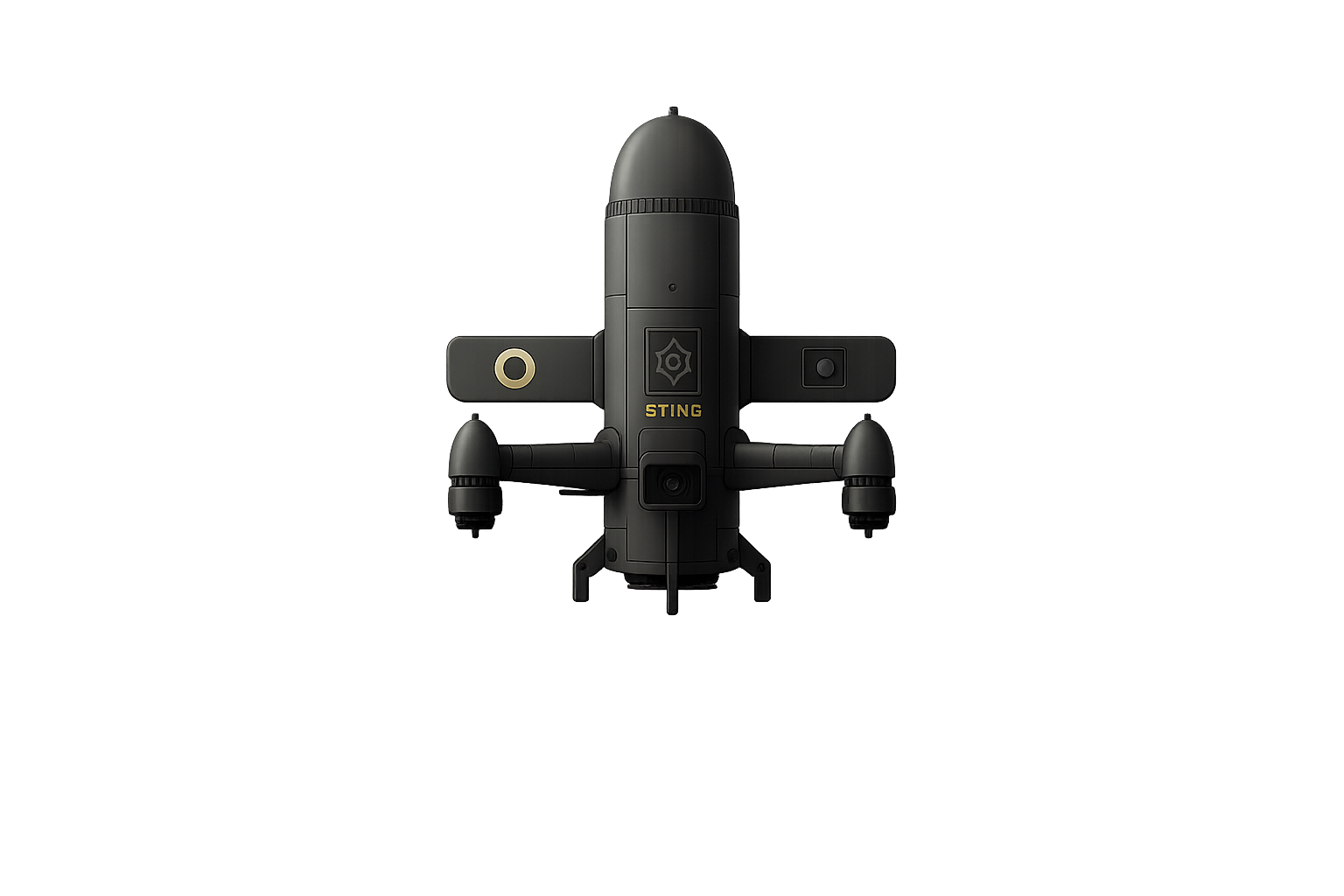
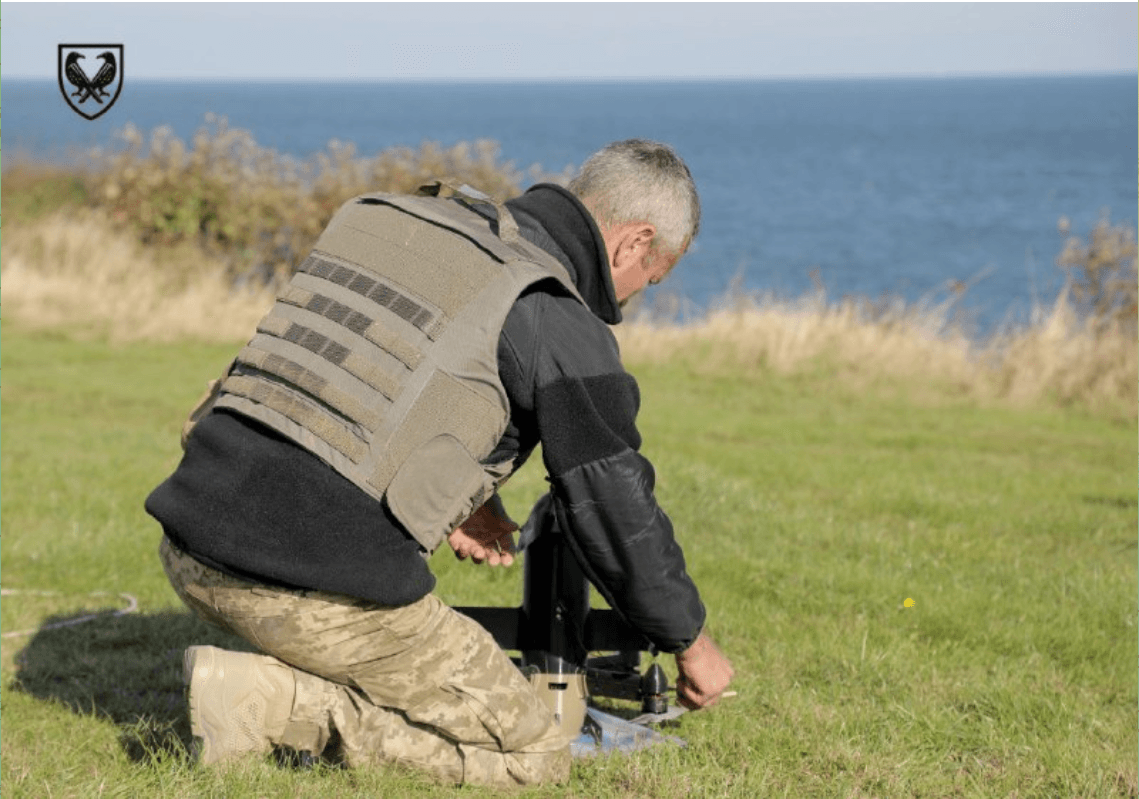
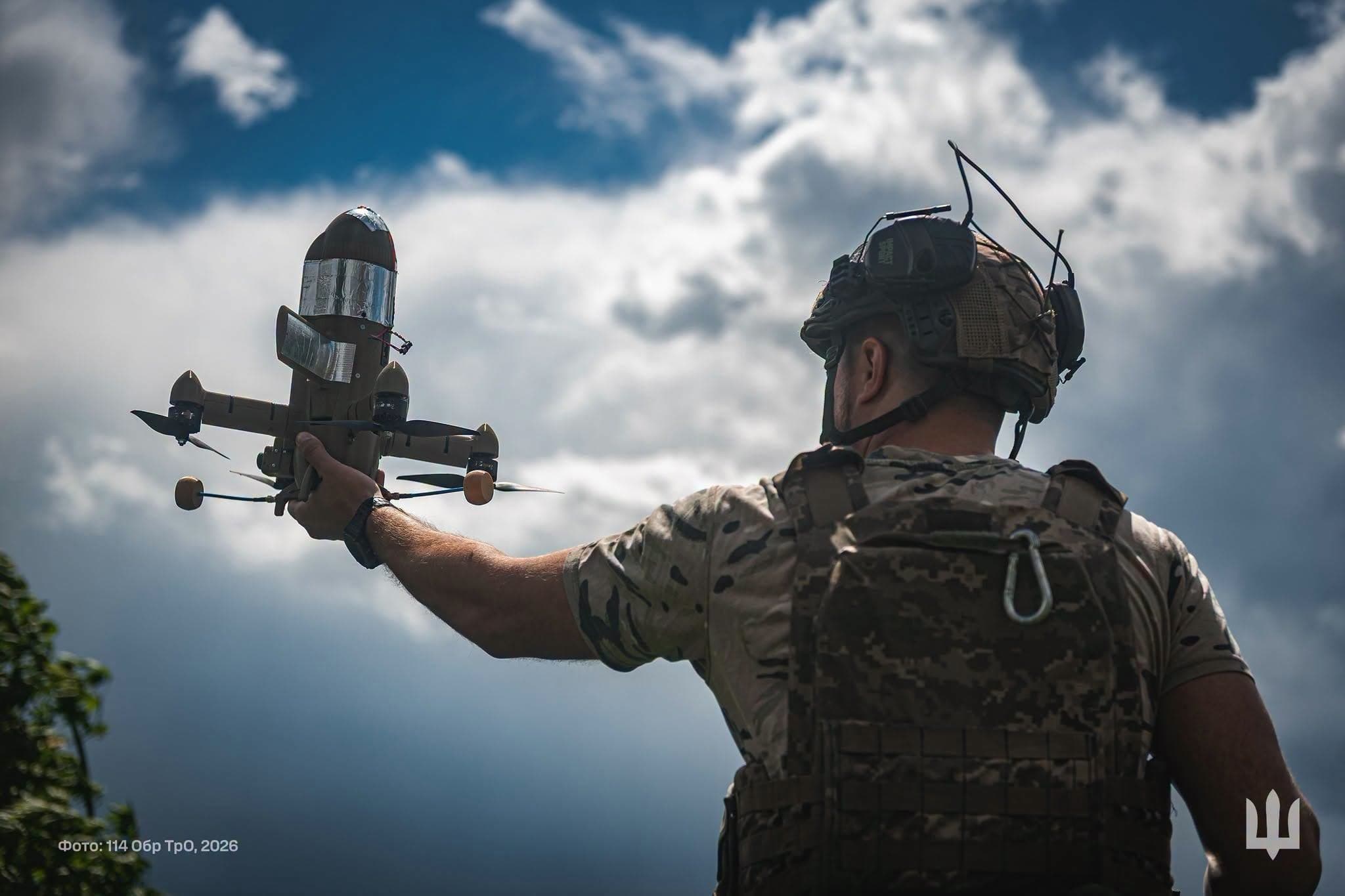
Supported FPV systems.
Three interceptor systems are shown as platform-supported hardware, tied back to regional funding and public reporting.
Interceptor class
STING FPV
High-speed FPV interceptor funding for verified regional defense needs.
Verified
Regional
Reports
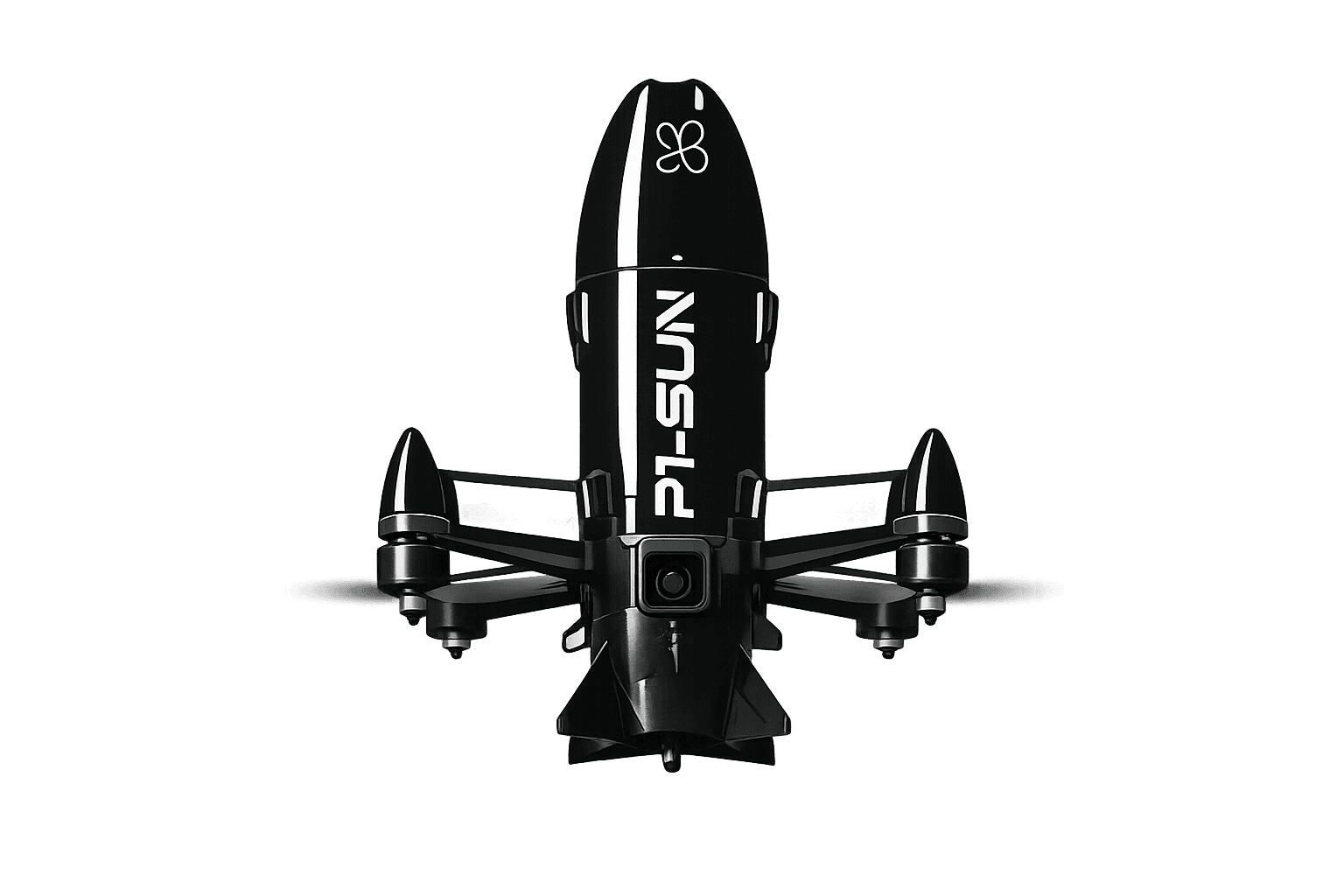
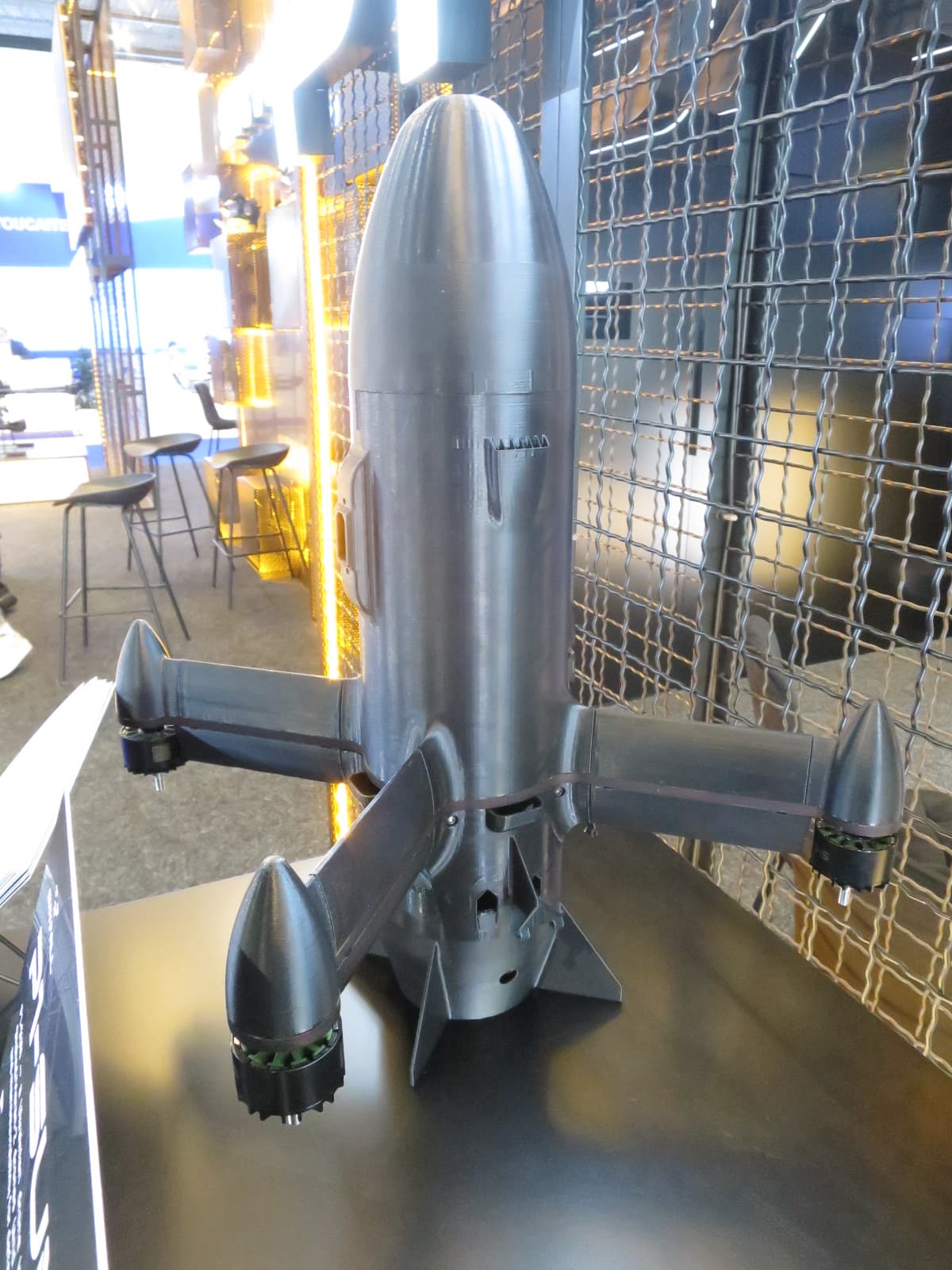
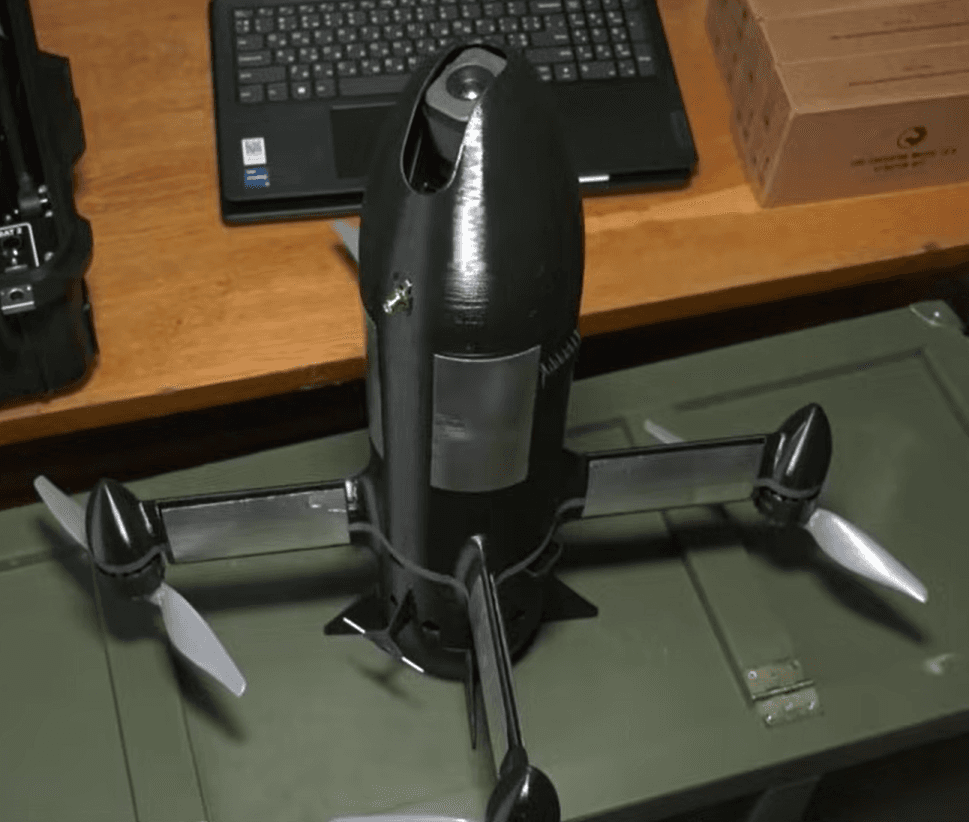
New FPV type
P1-SUN FPV
Additional FPV line reserved for upcoming visual reporting and donor attribution.
Verified
Regional
Reports

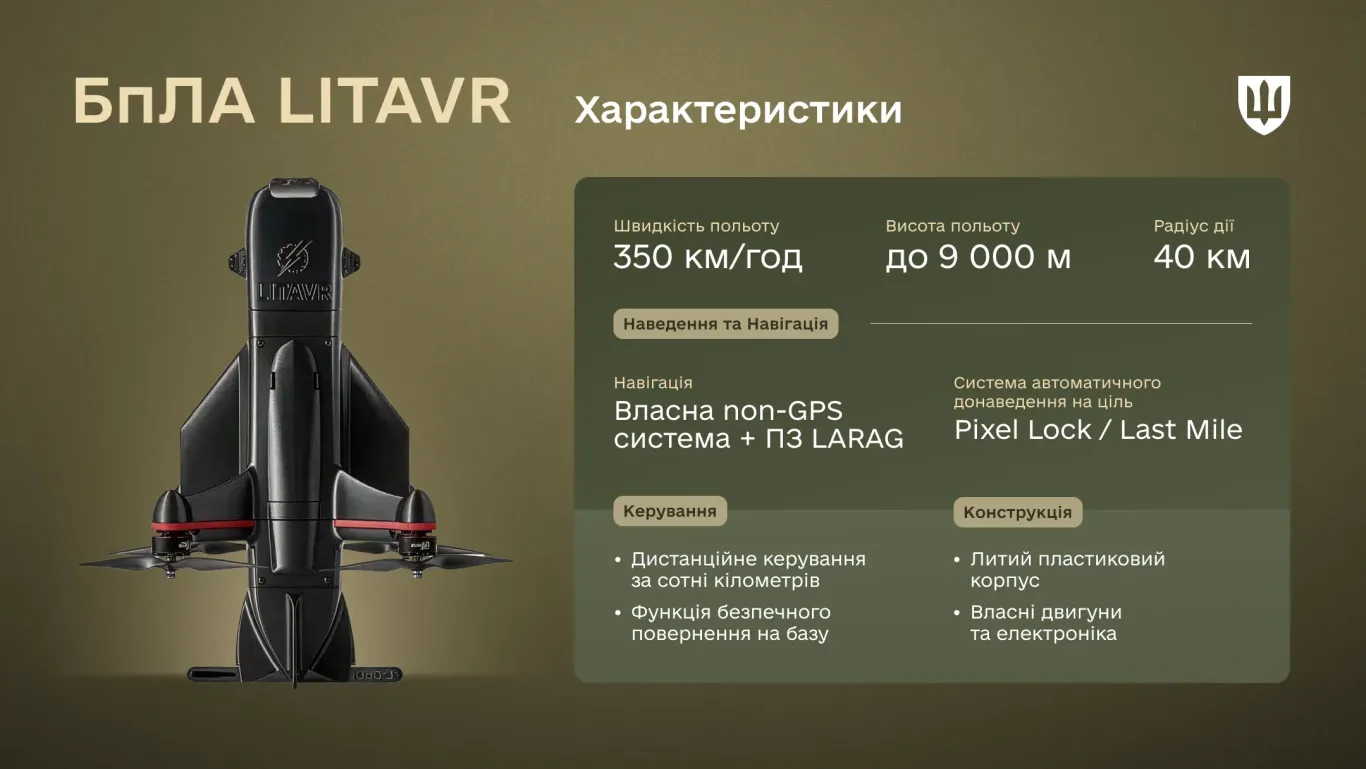
Next-generation interceptor
LITAVR
A Ukrainian interceptor with terminal auto-guidance, a maximum speed of 350 km/h, a 40 km operating radius, and day and thermal cameras.
Source: Ministry of Defence of Ukraine via ArmyInformVerified
Regional
Reports
Operational role
Designed for short-range interception of one-way attack drones.
Funding model
Regional and team pools are built around a transparent per-unit target.
Public reporting
Public results appear only after review and verification.
Transparency chain
Pre-launchDonation -> Procurement -> Delivery -> Verified report
Every stage is recorded, and a report is published only after review and crew confirmation.
Funds allocated to regional pool
FPV procurement and logistics update
Verified public mission report
The sky over your city.
Choose your region and leave an email. We write to you the day payments open — longest in line, first to hear.